
UBT practice
How to review a mock test effectively
A step-by-step method for reviewing a practice test: sort your answers, find the reason for each mistake, keep an error log and test again.
1 October 2026 · 5 min read
Short, practical lessons for EPS-TOPIK and TOPIK I learners, each linked to a practice set so you can test what you learned.
UBT practice
A step-by-step method for reviewing a practice test: sort your answers, find the reason for each mistake, keep an error log and test again.
1 October 2026 · 5 min read

Vocabulary
Learn both Korean number systems, when to use each one, and the counters 개, 명, 시, 분, 원 and 번, with clear examples and practice.
1 October 2026 · 6 min read
Vocabulary
Learn Korean names for common hand tools, machines and storage items, the verbs that go with them, and how to ask for a tool politely.
1 October 2026 · 6 min read

Listening
Catch Korean numbers when you listen: prices with 원, times with native hours and Sino-Korean minutes, dates, phone numbers and confusing sound changes.
1 October 2026 · 5 min read
UBT practice
Plan your pace, answer easy questions first, flag hard ones and save time to check. Simple time habits for timed EPS-TOPIK practice.
1 October 2026 · 5 min read
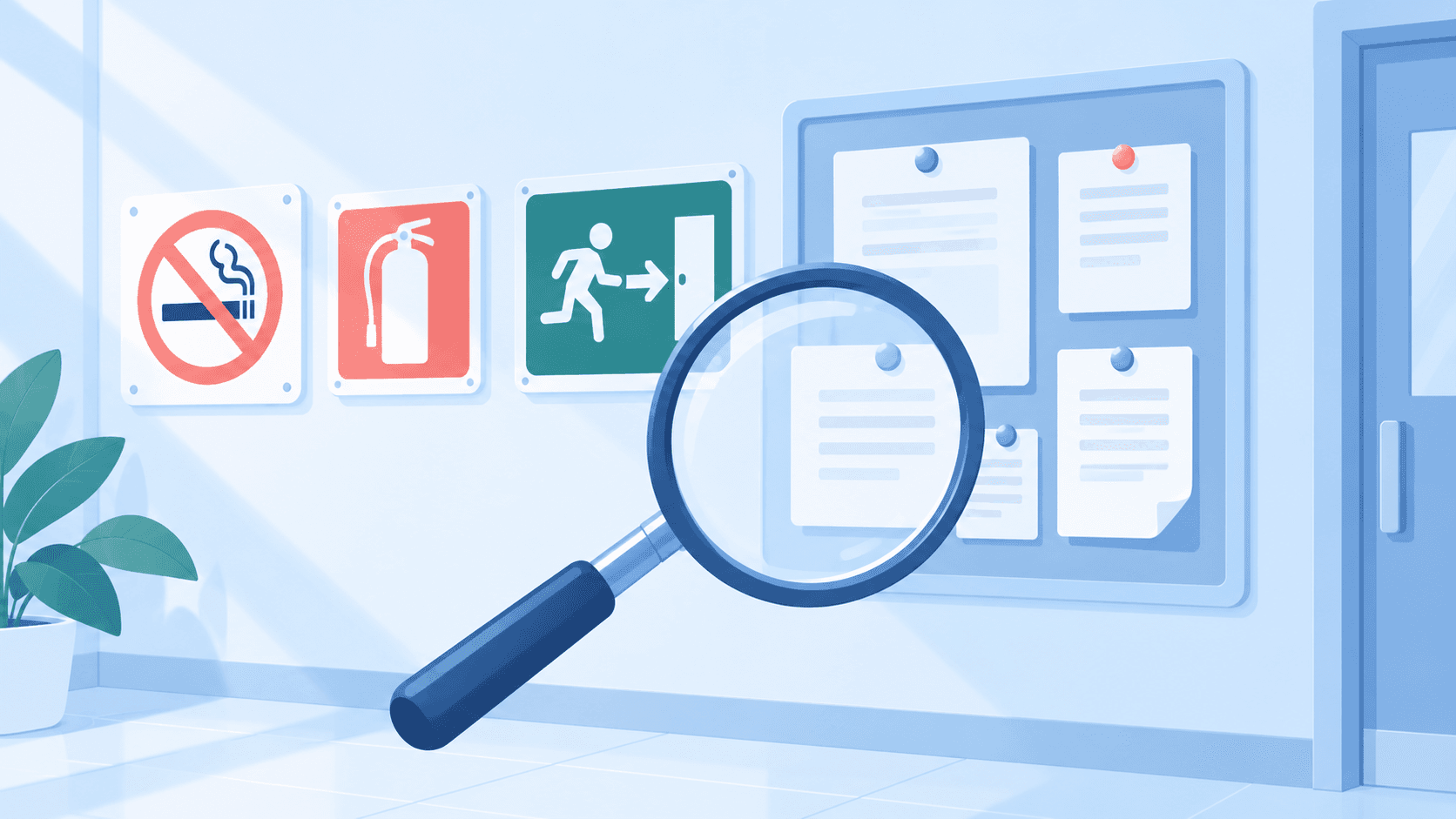
Grammar and reading
Learn to read common Korean workplace signs such as 금연, 출입 금지, 안전모 착용 and 화기 엄금 by spotting four key pattern words.
1 October 2026 · 5 min read

TOPIK foundations
TOPIK I covers levels 1 and 2 with listening and reading. TOPIK II covers levels 3 to 6 with listening, writing and reading. Here is how to choose.
1 October 2026 · 4 min read
TOPIK foundations
Practical techniques for TOPIK I-style listening: read the options first, use place clues, choose natural replies and listen for what happens next.
1 October 2026 · 4 min read
TOPIK foundations
Practical techniques for TOPIK I-style reading: find the topic, use the clues around a blank, read notices like a table and check every detail in the options.
1 October 2026 · 5 min read
Grammar and reading
Short Korean notices about schedule changes, holidays, the cafeteria, the dormitory or meetings all answer four questions: who, when, where and what.
1 October 2026 · 5 min read
Listening
Learn the Korean endings used in workplace instructions, such as -(으)세요, -지 마세요, -(으)면 안 돼요 and -아/어야 해요, with simple examples.
1 October 2026 · 5 min read
Vocabulary
Learn the Korean words for danger, warning signs, protective equipment and emergencies, with the right verb for wearing each item and original examples.
1 October 2026 · 6 min read